
Annual Crane Inspections:
Annual crane inspections are conducted once a year, as per industry standards and regulations, to ensure the safe and reliable operation of overhead cranes and hoists.
Frequency:
Annual crane inspections are conducted once a year, as per industry standards and regulations, to ensure the safe and reliable operation of overhead cranes and hoists.Comprehensive Examination:
These inspections involve a thorough examination of all crane components, including structural elements, electrical systems, controls, and safety devices.Regulatory Compliance:
Annual crane inspections are essential for compliance with local, national, and international safety regulations and standards, such as OSHA (Occupational Safety and Health Administration) requirements.Preventive Maintenance:
Identifying and addressing potential issues during annual inspections helps prevent equipment failures, reduces downtime, and extends the lifespan of the crane.Certification:
Successful completion of annual inspections often results in the issuance of a certification or compliance documentation, demonstrating that the crane meets safety standards.
Post-Accident Inspections:
Timely Response:
Post-accident inspections are conducted promptly after a crane-related incident to assess the damage, identify the root cause, and determine necessary repairs.Root Cause Analysis:
These inspections focus on understanding the factors that contributed to the accident, enabling corrective actions to prevent similar incidents in the future.Regulatory Reporting:
Post-accident inspections may involve reporting to regulatory authorities as required by law, ensuring transparency and compliance with safety regulations.Recovery Planning:
Information gathered during post-accident inspections helps in developing a comprehensive recovery plan, including repair schedules and safety enhancements.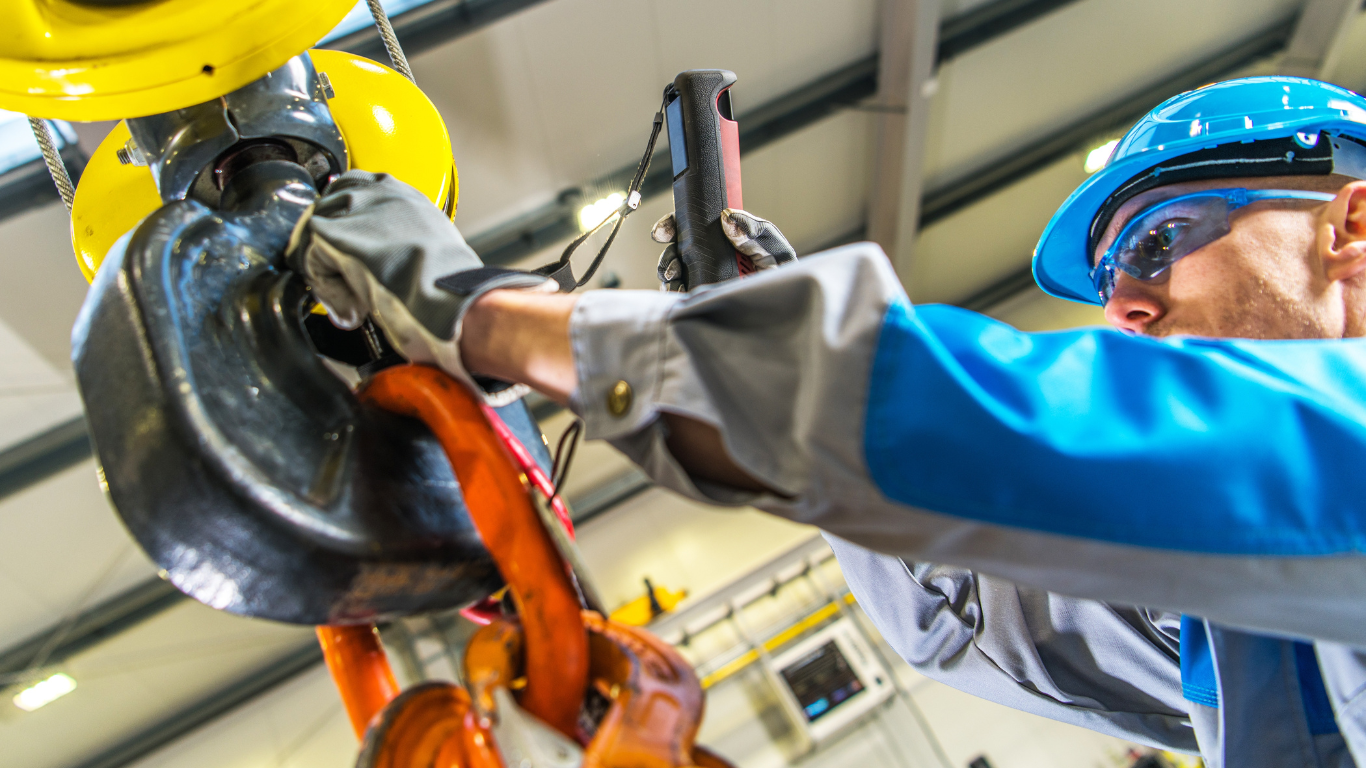
Third-Party Inspections:
Objective Evaluation:
Third-party inspections provide an unbiased and objective evaluation of crane equipment, often conducted by certified inspectors who are not directly associated with the crane owner or operator.Quality Assurance:
Employing third-party inspections adds an extra layer of quality assurance, assuring stakeholders that the crane meets industry standards and regulatory requirements.Risk Mitigation:
Independent third-party inspections help identify potential risks and vulnerabilities that may not be apparent through internal inspections, contributing to overall risk mitigation.Credibility and Trust:
Having third-party inspection reports enhances the credibility of the crane's condition, fostering trust among clients, regulatory bodies, and other stakeholders.
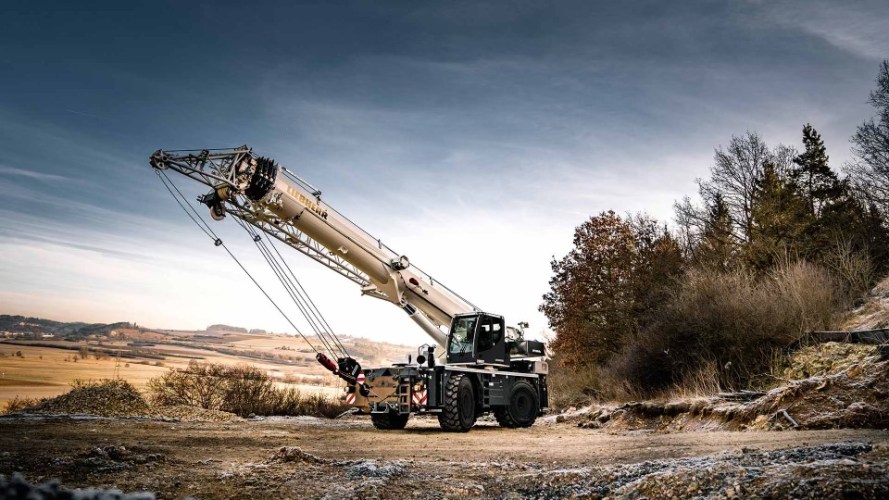
Rough Terrain Cranes
Boom Trucks
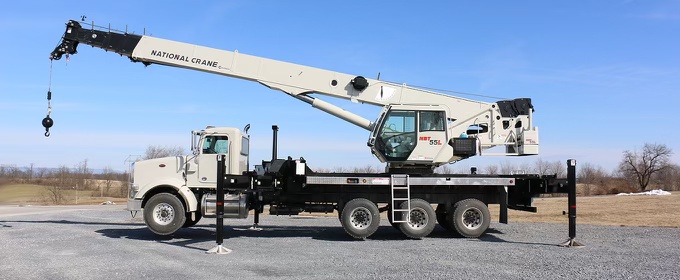
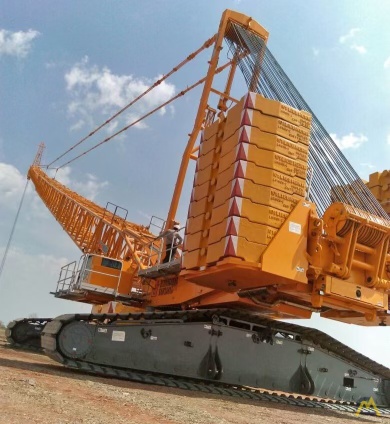
Crawler Cranes